A Guide to Quality Winter Sleep
Although we are well into the winter season, the end of Daylight Savings Time (fall back) is still taking its toll on quality, restful sleep. It’s no wonder that bears spend their winters hibernating in dark caves. Humans, like bears, need more sleep in these colder months. Less light in the day produces melatonin and signals the human brain to want more rest. There is a difference between a quantity of sleep and quality sleep.
Normal, restful sleep is more than a nightly break from our daily lives. Normal sleep involves falling asleep quickly, sleeping soundly and waking up feeling refreshed. This type of sleep is an active state that is essential for mental and physical restoration.
Sleep disorders can be the cause for “abnormal sleep,” which does not rejuvenate your mind and body. Certain sleep disorders require a diagnostic sleep study, but most are easily identified and treated.
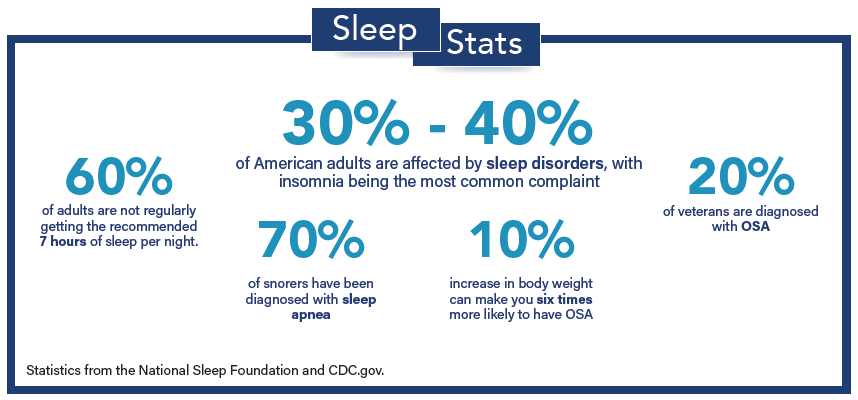
Insomnia is a common complaint that is not necessarily a disorder. Many things can cause insomnia, and sleep apnea is one example. Sleep apnea is disordered breathing during sleep usually accompanied by loud snoring and brief periods where breathing stops and limits oxygen to the brain. Sleep apnea is also a risk factor for other medical conditions.
Obstructive sleep apnea (OSA), the most common form of sleep apnea, is caused by an obstruction in the throat or a narrowing of a person’s upper airway during sleep. A person with OSA will experience pauses in breathing that last from 10 to 60 seconds between loud snores.
Central sleep apnea (CSA) is the second major type of sleep apnea. It occurs when a person’s brain does not send correct signals to the muscles that control their breathing.
Both forms of sleep apnea can force a person to wake up hundreds of times in the night to breathe, which interrupts rest. Other contributing factors to insomnia include excessive caffeine use, stressful life events, anxiety, pain or other mental health disorders. Insomnia can manifest itself in a person’s daily life through a variety of behaviors.
“It [poor sleep] affects everything in life,” says April Heringer, a Northwest Florida-local Licensed Clinical Social Worker (LCSW) trained in Cognitive Behavioral Therapy for Insomnia (CBT-i). “It affects a person’s ability to communicate and concentrate. It can cause a person some significant difficulties in their interpersonal relationships because they’re irritable. It’s all-encompassing and hits every area of life from being able to focus and do well at work to functioning effectively for your family. Every part of life is a lot harder if you’re not able to sleep.”
There are many behavioral techniques to improve sleep, such as relaxation therapy and sleep restriction therapy.
Relaxation therapy involves specific and effective techniques to can be used to ease anxiety and tension so that your body can relax and achieve rest. Sleep professionals suggest two popular methods that help you prepare for sleep with a stress-relieving nighttime routine. First is what some people refer to as a “declassified CIA trick,” which involves using breathing and counting to relax your mind and body. A similar tactic, the “military sleep method,” is often discussed on social media and expands on the CIA trick’s breathing exercises with progressive muscle relaxation and visualizing relaxing scenes or images.
Sleep restriction therapy allows people who suffer from insomnia to avoid spending too much time in bed trying to fall asleep.

“A lot of people focus on falling asleep immediately,” Heringer explained. “When sleep doesn’t come naturally, somebody may try sleep restriction, which is making sure that they sleep a lot more by going to bed a lot less. What I mean by going to bed is that when they [lay down], that time is not fully dedicated to sleep. If they’re laying in bed for eight hours, and they’re only sleeping for two, then they shouldn’t be laying in bed [the entire time]. Instead, they should lay in bed for closer to three or four hours so that most of their time in bed is then spent sleeping.”
When you’re not in bed, avoid doing things like checking the clock, using electronic devices or completing other tasks that may cause stress or alertness. Instead, try guided meditation or simple breathing exercises. You can also read with a book light while listening to soothing music.
After restricting the time in bed, you can start increasing your bedtime as they are able to sleep longer until a more normal night’s sleep is achieved.
Generally, healthy adults need at least seven hours of sleep every night. Meanwhile, babies, children and teenagers need even more sleep to fully support their physical and mental development. From mood to heart health to immune function, medical research indicates that getting this amount of sleep has positive effects on almost every aspect of health and wellness.
Sleep experts recommend keeping a schedule that follows natural light—sleeping when it’s dark and waking when it’s light. This approach aligns your body’s internal circadian rhythm with your environment, supporting better sleep and overall health. Strive for a consistent sleep schedule because irregular sleep timing has been linked to a range of health issues.
“My Holy Grail sleep tip is waking up at the same time every single morning,” Heringer said. “Every single day, you wake up at the same time [because] your circadian rhythm starts on that wake up time. When I was younger, people used to always say you need to go to bed at the same time every night. Bedtime was important. Now, we know that it’s actually quite the opposite. It’s when you wake up in the morning that’s important.”
You can create a cozy environment perfect for sleep by harnessing light to your benefit, as well as limiting noise and making up a comfortable bed.
Many experts suggest bright light therapy to help reset your internal clock. This therapy involves keeping up with a regular schedule and using light to match natural cycles of light. For best results, keep your bedroom as dark as possible while you sleep, then flood the space with light when you wake. For those who rise before sunrise, a light box or sunrise alarm clock can be especially helpful.
Minimizing noise is also key to creating a calm, relaxing environment. If some noises are outside of your control (i.e. roommates, neighbors, construction), consider drowning them out with a fan, white noise machine, earplugs or headphones.
The temperature of your bedroom can also have an impact on the quality of your sleep. A bedroom’s ideal temperature varies based on the individual, but most research supports sleeping in a cooler room that is around 65 to 68 degrees Fahrenheit.
A cozy bed that meets your needs and preferences is also vital to ensure relaxation. Investing in a quality mattress and pillow ensures the spine gets proper support to avoid aches and pains. Comfortable sheets and blankets make your bed more inviting, while breathable fabrics and pleasing textures help prevent overheating and encourage a better night’s sleep.
The right nighttime routine can help set the stage for high-quality sleep. Experts recommend limiting screen time as much as possible before bedtime, and suggest disconnecting from electronics 30 minutes to an hour (or more) before going to bed. Tablets, smartphones and laptops keep the brain wired, sometimes making it difficult to wind down. The light from these types of electronic devices also suppress the body’s natural production of melatonin.
“Good sleep hygiene involves making sure that you are ready to go to bed,” Heringer said. “You shouldn’t be doing anything in your room like watching TV or anything else that will distract your body from knowing that it’s time to go to bed. Try some best practices to wind down like taking a shower before bed things that will calm yourself down rather than cause yourself to be more awake right before you go to sleep.”
Having a comfortable bed may tempt leisure time, but this can actually cause problems at bedtime. You want a strong mental association between your bed and sleep, so try to keep activities in your bed limited to sleep.
What and when you eat and drink can influence the quality of your sleep. Be sure to observe proper meal times, and be mindful of when you choose to indulge in caffeine and alcoholic beverages.
Caffeinated products (i.e., coffee, tea, sodas and energy drinks) are best avoided later in the day. Try not to rely on caffeine to overcome afternoon sleepiness, as caffeine remains in your system for up to 12 hours. The Sleep Foundation suggests the 3-2-1 Sleep rule.
First, stop drinking alcohol at least three hours before you plan to sleep. Because alcohol can induce drowsiness, some people like a nightcap before bed. Unfortunately, alcohol affects the brain in ways that lower sleep quality, making it best to avoid alcohol in the lead-up to bedtime.

Second, no eating for two hours before you plan to sleep. It can be harder to fall asleep if your body is still digesting a big dinner or late-night snack. To keep food-based sleep disruptions to a minimum, avoid large meals for dinner and minimize fatty or spicy foods. If you need an evening snack, opt for something light.
Health professionals recommend that you stop drinking liquids one hour before bed. It’s best to have plenty of water throughout the day to stay hydrated, but if you consume fluids too close to bedtime, you run the risk of waking up for the dreaded late-night bathroom break.
Just like how your wake up time sets the stage for your circadian rhythm, laying the groundwork for great sleep actually starts during the daytime. The body’s internal clock is regulated primarily by light exposure. Sunlight has a strong effect, so try to take in daylight by getting outside or opening up windows to natural light. If natural light is not an option, you can talk with your doctor about using a light therapy box.
Daily exercise has many benefits for both physical and mental health, and the changes it initiates in energy use and body temperature can promote solid sleep. One caveat is that many experts advise against intense exercise close to bedtime, since it may hinder your body’s ability to settle down for sleep. If you do want to move your body before bedtime, try some light stretching or relaxed yoga poses instead.
Certain sleep hygiene habits can be changed immediately, such as optimizing your bedroom environment or trying relaxation methods before bedtime. Other habits may take more time to get used to, such as establishing a new sleep schedule or nighttime routine. For some people, habit changes can bring quick improvements to nightly sleep, but don’t be surprised if it takes more time, especially if you’re trying to break longstanding negative habits.
“It’s very methodical, trying to fix something that’s been broken for a long time,” Heringer explained. “I used to tell people that if you’ve been having trouble sleeping for two to three years, it’s not going to be fixed in two to three nights. It’s something you have to work on.”
When you start to prioritize rest and wellbeing, the benefits are striking. Obtaining enough consistent, quality rest every night sharpens your mind and increases learning, improves focus and reaction time, protects your heart and cardiovascular system, repairs your cells and releases growth hormones, boosts your immune system, regulates your appetite and so much more.
Learn About Sleep Wellness From Local Resources
- Pensacola Sleep Disorders Center: pensacolasleep.com
- The Sleep Foundation: sleepfoundation.org
- Baptist Health Care: ebaptisthealthcare.org